
A deadly strike at a Riyadh airport pushed stranded travelers to drive four hours to Bahrain, exposing how fast a regional shock can upend daily life and faith in stability.
Story Snapshot
- A Houthi missile hit a Riyadh airport terminal, killing 13 and injuring 300, disrupting travel.
- Travelers sought alternative routes, with many considering the road to Bahrain as the fastest option.
- Bahrain condemned continued Houthi missile and drone attacks that threaten civilians and stability.
- Bahrain tied Saudi security to its own and backed defensive steps under the United Nations Charter.
Riyadh Airport Strike Disrupts Thousands
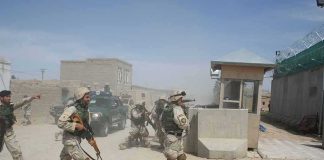
Reuters reported that a Houthi missile struck a departure terminal at a Riyadh airport on October 14, killing 13 people and injuring 300. The blast halted or delayed flights and stranded pilgrims, business travelers, tourists, and foreign residents. Airlines scrambled to adjust routes. Families looked for rides, buses, and hotel rooms as airport services slowed. The strike landed in a major hub during a busy period, which magnified the disruption and sent ripple effects across the region.
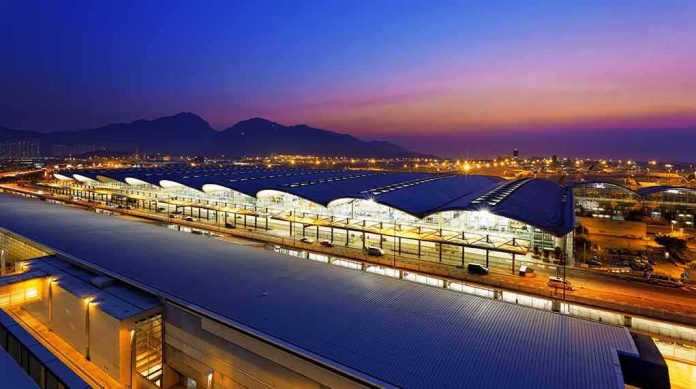
People who planned to fly from Riyadh began looking for other ways out. Many weighed options in Qatar and the United Arab Emirates, but time and distance made them hard. Reuters noted that some travelers focused on the four-hour drive to Bahrain as the most practical path. The causeway link, known to Gulf residents, offered a road route to a quieter airport and onward flights. That choice showed how fast people shift when air routes feel unsafe.
Bahrain Responds To A Widening Threat
Bahrain’s Ministry of Foreign Affairs condemned continued Houthi missile and drone launches aimed at Saudi cities, including Riyadh, Dhahran, and Khamis Mushait. The statement said the attacks endangered civilians and key economic sites, and threatened regional stability. The ministry urged unified international action to stop attacks on civilian targets. Manama’s tone matched the gravity felt on the ground, where families were changing plans and crossing borders to keep trips and work on track.
Bahrain also tied Saudi Arabia’s security to its own national security and backed Saudi defensive steps under Article 51 of the United Nations Charter. That language signals that Manama treats the strikes as more than isolated incidents. It sees them as part of a broader threat that can spill across borders and harm transport, trade, and investment. Such framing helps explain why travelers saw Bahrain as both a neighbor and a logical pressure valve during the crisis.
Travel Shifts Reveal Regional Weak Points
The quick pivot from Riyadh flights to a Bahrain road trip highlights a larger issue. Air hubs boost economies when they are safe and steady. When a single strike shuts a terminal, the hit spreads to jobs, tourism, and trade. The road to Bahrain became a test of resilience. Border staff, airport crews, and airlines had to keep up with a sudden surge. That stress shows how vital backup routes are when one node in the network goes down.
The Kingdom of Bahrain strongly condemned the recent Houthi terrorist attacks targeting King Fahd International Airport in Dammam and the Shaybah oil field, which resulted in the deaths of one Saudi citizen and three Asian residents, injured ten others, and caused material damage… pic.twitter.com/aTFdClXEE1
— GDN Online (@GDNonline) October 22, 2026
For Americans watching from home, this story echoes a common fear: systems feel brittle. People across the political spectrum worry that leaders wait for a crisis before fixing known gaps. Here, the gap was clear. One attack forced families into hours-long detours. Governments condemned the violence, as they should. Yet travelers still had to solve the problem themselves, with quick choices, crowded checkpoints, and limited options in a tense moment.
What To Watch Next
Saudi aviation authorities will work to restore full service and reassure travelers. Bahrain will likely keep coordination tight with Saudi agencies to manage any surge. Airlines may adjust schedules and add capacity through Bahrain to meet demand if diversions persist. Regional diplomats will push messages of deterrence and defense to calm markets. The key metric will be how fast normal flight patterns return and whether travelers keep choosing the road to Bahrain after service resumes.
Sources:
youtube.com, spa.gov.sa, transcripts.un.org