

France’s government moved to let local officials block protests after city halls and businesses were attacked during nationwide unrest.
Story Highlights
- President Emmanuel Macron told local leaders they can prohibit gatherings to protect buildings and shops.
- Demonstrations drew hundreds of thousands; most were peaceful, but violent groups set fires and looted.
- Police reported mass arrests amid attacks on city halls and public offices across several cities.
- Officials say they will punish violence while also meeting groups to address living costs and school conditions.
What triggered the new protest limits
President Emmanuel Macron held an emergency meeting after protests over living costs, fuel prices, and school conditions spread across France. Masked groups attacked public buildings and businesses in several cities. Police reported hundreds of arrests in the Paris region alone, with wider totals climbing as reports came in. Macron said prefects must work with mayors to protect city halls, shops, and infrastructure. He added they could prohibit some gatherings when needed to keep order.
The government framed the move as targeted, not a blanket ban. Paris officials used the public-order law to alter or partially block routes for declared marches, while still allowing modified demonstrations to proceed. A separate order limited a student-linked route but approved an adjusted path. These steps show how authorities aim to separate peaceful marches from flashpoints. They are trying to shield buildings and transit hubs without shutting down every protest in the capital.
How large and how violent the unrest became
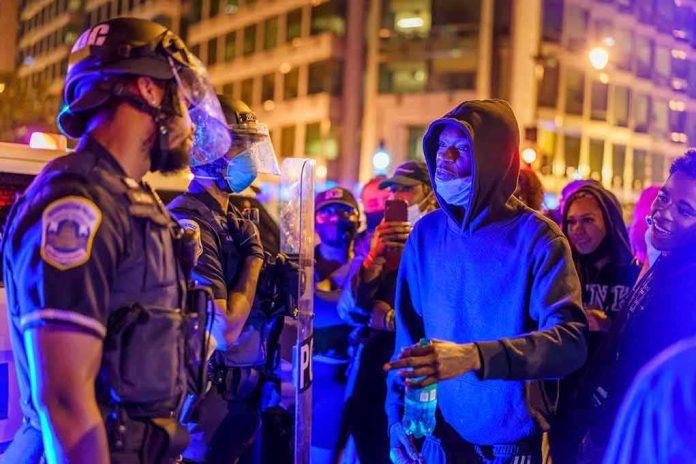
Newsrooms reported huge turnout nationwide. Coverage described about half a million people taking part on one of the key days, with most marching peacefully. At the same time, violent groups clashed with police, set fires, and looted shops. Some city halls and other public sites were attacked. Police responses varied by city, and arrest totals differed across outlets as counts rose through the weekend. The mixed picture matched past French unrest: large protests alongside pockets of severe urban violence.
Macron condemned the violence and promised that those who attacked prefectures, businesses, and town halls would face prosecution. He also said there was “no room for violence” in the Republic. Officials maintained that the vast majority of demonstrators were peaceful and had legitimate grievances about daily costs and schools. This split view—support for the right to protest, plus tough action on rioters—guided the orders to prefects and the limited route bans issued in Paris.
The civil liberties tradeoff now facing France
Macron’s directive raises a core tension. The French Constitution protects assembly, but the state must also guard life and property. Allowing prefects to prohibit some gatherings can reduce risk around targets like city halls. It can also spark backlash from civil liberties advocates who fear a slippery slope. Scholars warn that frequent emergency limits can blur the line between a short-term security fix and a longer-term squeeze on civic space.
After a weekend of violent protests, French President Emmanuel Macron promised a crackdown.
Police fired tear gas as clashes continued in Paris on Sunday. The worst violence came on Saturday, when largely peaceful protests over the cost of living and conditions in French schools… pic.twitter.com/8j9UcX9rBp
— Straight Arrow (@StraightArrow__) October 19, 2026
Officials say they will pair enforcement with talks. Macron called for meetings with students, teachers, trade unions, and others to seek concrete steps on costs and education. That two-track plan—dialogue plus discipline—aims to cool streets while tackling root causes. Whether it works depends on clear rules for when bans are used, transparent arrest data, and visible progress on prices and schools. Without that, mistrust can deepen, and both sides will feel the system serves the well-connected over the public.
Why Americans should care
Americans know this playbook: big marches, small violent factions, then sharper police powers, then arguments over rights. France shows how fast leaders can expand crowd-control tools after a bad weekend. It also shows the cost when daily bills, fuel, and school quality go unaddressed. People across the political spectrum worry that elites protect their own while blame rolls downhill. Targeted limits may calm flashpoints, but only real fixes to kitchen-table problems prevent the next spiral.
Sources:
bbc.co.uk, cnbc.com, cnn.com, elysee.fr, euronews.com, prefecturedepolice.interieur.gouv.fr, cambridge.org