

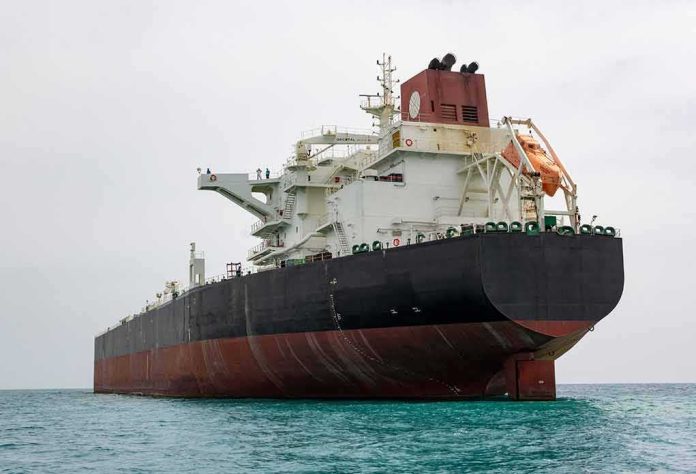
Russia will release millions of tons of diesel after President Trump’s call with Vladimir Putin, aiming to cool painful fuel prices for truckers, farmers, and families.
Story Highlights
- Trump announced phased Russian diesel releases to global markets, starting immediately.
- Kremlin signaled readiness to supply oil products and said the move should aid the world economy.
- Analysts disputed how much the first tranches would cut U.S. prices, citing scale and logistics limits.
- Democratic leaders attacked the policy as a political play that would not deliver quick relief.
What Trump Announced And When Fuel May Arrive
President Trump said Russia will send more than 300,000 tons of diesel immediately, 500,000 tons in November, and about 1 million tons soon after. He added that Russia could deliver another 3 million tons within a short period, depending on refinery capacity. These volumes are aimed at U.S. and global markets to boost supply and calm prices during a tight diesel season. Public statements from the White House and media reports carried the specific phase-in timeline and tonnage.
The Kremlin echoed that message. Russian officials said Moscow stands ready to provide oil and petroleum products and expressed confidence the arrangement would help the global economy. The promise follows a year of tight diesel markets after Russia’s earlier export curbs and global refinery outages. More barrels on the water can reduce price spikes if they load, clear insurance and shipping, and land where demand is hottest. That is what the administration says this plan seeks to do.
Why Supply Matters To American Drivers And Growers
Diesel moves food, freight, and construction. Shortages and price spikes squeeze every link in the chain and hit family budgets. History shows that when supply rises, even for a few months, prices and volatility can ease. Strategic stock releases and sanction carve-outs have done that before, though not always fast and not always by much. Logistics often slow the impact. That pattern fits here: added supply can help, but ships, ports, and refineries still set the clock.
This plan also answers a real crunch. Earlier in the year, Russian diesel curbs helped push up global prices by tightening available cargoes. When big suppliers step back, buyers scramble and bid up barrels. When they step in, the pressure can fall. Reversing that squeeze with fresh volumes can cap spikes and steady markets. That is the core bet of the administration’s move: increase near-term supply to blunt high costs that burden truck fleets and farm operations across America.
What Critics Say About Scale, Timing, And Sanctions
Some analysts doubt the first tranches can move U.S. prices much. One Bloomberg economist said the November shipment equals about one day of U.S. diesel use, so it might not cut prices in a big way. He also cited refinery damage and shipping hurdles that could delay or reduce flows. Critics in Congress added political charges, saying the deal rewards Moscow and fails to offer quick relief at the pump. These claims focus on near-term limits, not the basic supply math.
Democratic leaders framed the policy as a short-term play that helps President Trump, not consumers. They argued it would boost Russian revenues while leaving American families paying too much. Their view rests on doubts about delivery speed and the net effect on global trade flows. Analysts also warned some cargoes could be rerouted rather than added, which could mute price gains. The administration responds that any added volume in a tight market improves choice and lowers pressure.
How This Could Play Out For Prices And Policy
Markets will judge the plan on loadings, not headlines. If ships load quickly and reach fuel-thirsty hubs, wholesale prices should soften first, with retail prices easing after. If ports or sanctions rules slow the flow, effects could lag. Even so, the signal of added supply can cap panic buying and reduce volatility. For consumers, the key is steady, affordable diesel for trucking, harvesting, and heating as winter nears. More barrels make that outcome more likely, even if not dramatic at once.
US diesel exports are about 12 times imports at the moment based on @EIAgov weekly data for the six weeks from Aug 28 to Oct 2.
Average (thousand b/d)⁰Exports~1,590⁰Imports~130⁰Net exports~1,460
Ratio: Weekly, it ranged from about 8:1 (week ending Sep 4) to nearly 16:1 (Sep…
— Sergiy Kyslytsya 🇺🇦 (@SergiyKyslytsya) October 11, 2026
For years, Washington insiders pushed green mandates and blocked pipelines, leaving the country exposed to shocks. This move goes the other way: add real supply now to protect working Americans. It respects a simple truth: when you make energy scarce, families pay more; when you open the taps, pressure eases. The administration still must ensure rules allow lawful shipments and that allies do not face sudden shortages. But prioritizing affordable energy is a win for common sense and for the American worker.
Sources:
cnbc.com, amp.dw.com, cbc.ca, theweek.in, ideas.repec.org, reuters.com