

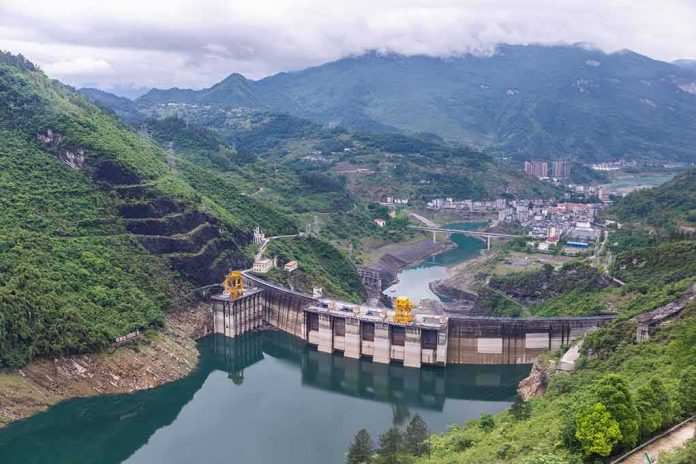
Nepali soldiers reached a blocked tunnel entrance and began digging through mud and debris to reach hundreds of workers still trapped after catastrophic flooding hit the country’s hydropower sites.
Story Snapshot
- Nepal’s army broke through to one tunnel entrance and started clearing debris after days of blocked access.
- Officials say the main rescue focus covers 933 workers believed trapped across 11 hydropower projects.
- About 10,000 Nepali troops are working alongside Chinese and Indian rescue specialists.
- The Nepali Army has already pulled 350 workers alive from the Upper Trishuli Hydropower tunnel.
Rescuers Break Through Tunnel Blockage
Nepal’s rescue effort reached a turning point over the weekend. Reuters reported crews reached the entrance of one tunnel and began clearing debris blocking access, calling it the first breakthrough after days of failed attempts. Nepal army spokesperson Raja Ram Basnet said the main focus was on opening the tunnels using controlled blasts, excavators, and search lights to clear water and mud.
The disaster struck after severe flooding tore through the Bhotekoshi and Trishuli river corridors, damaging hydropower construction sites built deep into Himalayan rock. Officials say floodwaters and mud surged into tunnels while crews were working inside, trapping them behind collapsed debris. Nepal’s Ministry of Energy, Water Resources and Irrigation confirmed more than 100 people remained trapped inside tunnels as of late August.
Trapped Worker Count Keeps Shifting
Officials have not settled on one final number of trapped workers. Reuters cited officials saying the focus was on reaching 933 workers believed trapped across 11 hydropower projects. Other reports at different points cited totals near 350, 537 missing, or more than 1,000 out of contact. The changing figures reflect a fast-moving disaster rather than any dispute over whether people remain trapped.
Despite the shifting totals, rescuers have shown real progress. Khabarhub reported the Nepali Army pulled 350 workers and local residents alive from the Upper Trishuli Hydropower Project tunnel, even as efforts continued for more than 100 others still unaccounted for at that site alone.
Massive Response Includes Foreign Specialists
Nepal has mobilized roughly 10,000 troops for the tunnel rescue operations, according to Reuters. China and India sent specialists to help, and military aircraft have flown in heavy machinery needed to dig through the collapsed tunnel sections. Dharam Raj Uprety, chief of the national disaster management authority, provided deployment figures to reporters tracking the response.
The scale of outside help underscores how serious officials consider the situation. Rescue teams have struggled to make contact with everyone still inside affected tunnels, and some crews reported no response from workers deep inside blocked passages, even as digging continued around the clock.
Rescue crews and foreign specialists are racing to find scores of workers feared trapped alive inside hydropower tunnels in Nepal, after thick mud buried the facilities during last week’s devastating flash floods. Here’s what we know so far. https://t.co/hLq3Qu7Wid
— CNN International (@cnni) August 31, 2026
Nepal’s hydropower tunnels sit in some of the world’s most unstable terrain, where floods, landslides, and weak rock combine to create serious risk for workers. Academic risk studies on Nepal’s hydropower sector have flagged subsurface geology and force majeure events, like sudden floods, as leading hazards facing these projects, a pattern now playing out at multiple sites at once. A similar tunnel disaster struck neighboring Sikkim in July 2026, trapping workers after a suspected gas explosion.
Sources:
kathmandupost.com, english.khabarhub.com, bbc.com, tbsnews.net