

Senators from both parties accused Roblox of enabling predators to reach children, and they moved to make it easier for families to sue the company based on how the platform is built, not just what users post.
Story Snapshot
- A Senate panel held a hearing on child risks tied to Roblox and online gaming.
- Lawmakers cited arrests linked to grooming, abuse, and in-person meetups that began on Roblox.
- A new bill aims to ease lawsuits over platform design choices that harm kids.
- Advocates urged stricter age checks, safer defaults, and clear legal remedies.
Senate hearing centers on design risks, not just bad posts
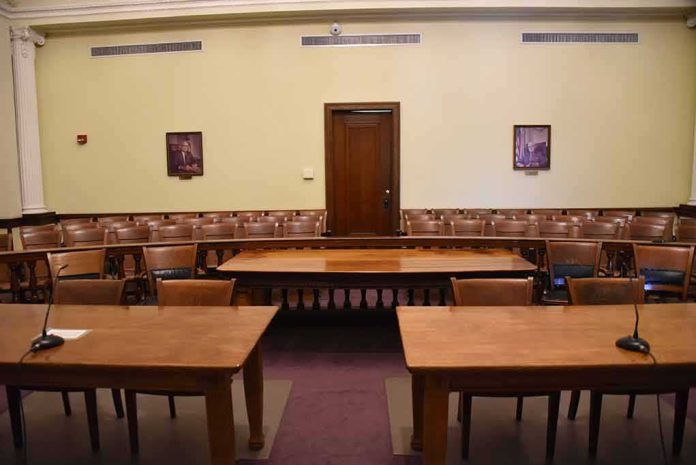
Senators on the Judiciary Committee convened a hearing titled Roblox and Online Gaming: Digital Playgrounds Endangering America’s Children. They examined whether platform design, age checks, and default settings expose minors to grooming and sexual exploitation. The panel’s public schedule confirmed witness lists and the session’s scope. The event marked a shift from focusing on single posts to questioning system choices that shape behavior and risk. The hearing placed Roblox at the center of a larger debate over product safety for kids online.
Senators Josh Hawley and Dick Durbin pointed to cases where suspects met children through Roblox and later committed serious crimes. Their oversight letter asked Roblox to disclose the number of sexual exploitation reports in 2023 through 2025 and to detail safety practices. They argued that design and enforcement gaps can let predators make contact, move chats off-platform, and arrange meetings. The letter framed safety as a duty that goes beyond moderating single messages or images.
Bipartisan push to open the courthouse door for families
Ahead of the hearing, reporting showed lawmakers advancing legislation to make it easier for families to bring claims over harms tied to Roblox’s product design. The proposal would target choices like default chat settings, recommendation pathways, and age-assurance systems. It would also narrow the shield that user-generated content normally provides under federal law. The bill’s backers said parents need a clear path to sue when design enables grooming or in-person exploitation that begins on a child-focused platform.
The hearing followed a wave of lawsuits over alleged child exploitation on Roblox. Court filings and news reports described claims that predators used the platform to contact and manipulate minors. Roblox sought to steer some cases into private arbitration in federal court in San Francisco, according to local reporting. Lawmakers cited those disputes as evidence that current legal tools are slow and fragmented. They argued Congress should set clearer rules for risk controls and remedies.
Advocates call for stronger age checks and safer defaults
Child-safety advocates urged the Senate to require stronger age verification, tighter adult-minor contact rules, and simpler parental controls. Written testimony from a national anti-exploitation group pressed for clearer duties and penalties when platforms fail to prevent foreseeable grooming risks. Advocates said real-time chat, friend requests, and invites can be misused unless strict limits apply by default for minors. They argued that safer design should not depend on parents finding hidden settings.
A global review of online gaming risks found grooming is a major contact threat because anonymity and live chat can build quick trust. The report said gaming platforms are not the most frequent venue compared with some social apps, but the speed of contact in games raises distinct concerns. That pattern supports calls to evaluate features like default voice or text chat, age mixing, and discovery tools that let adults find children in large public spaces online.
Roblox policies and the new regulatory playbook
Roblox publishes safety policies that ban grooming and child sexual exploitation, and it describes filters, human moderation, and age checks. Company pages say chat filters block personal information and attempts to move conversations off-platform. They also highlight law-enforcement partnerships and tools for parents. The hearing pressed whether these measures are enough in practice and whether platform design still allows risky adult-minor contact before detection occurs, despite stated safeguards.
Anchor: The question at the center of a Senate hearing today who are your kids talking to when they play video games online lawmakers raising concerns about spaces that have become havens for predators among them the gaming platform Roblox. One proposed bill would allow families… pic.twitter.com/OVKaX0QAa0
— corgo (@wordsdematthew) November 17, 2026
Regulators have already pushed major gaming firms to change risky defaults. The Federal Trade Commission secured a large settlement and ongoing court orders requiring Epic Games to adjust features tied to minors, including voice chat defaults and parental rights. Lawmakers cited these moves as a model for tying legal duties to design choices that predictably affect children. They suggested Congress can set baseline safety standards for products that serve millions of kids online.
Why this matters beyond one platform
The Senate’s focus reflects a broader legal trend that separates liability for user posts from claims about a company’s own design and marketing. Recent court decisions allowed suits to continue where plaintiffs alleged platforms engineered addictive or unsafe experiences for young users. That approach signals that child safety rules may turn on product architecture, not only content moderation. For families, the shift could offer clearer routes to accountability when design choices help drive harm.
Sources:
youtube.com, cbsnews.com, judiciary.senate.gov, congress.gov, hawley.senate.gov, kttn.com, ftc.gov