

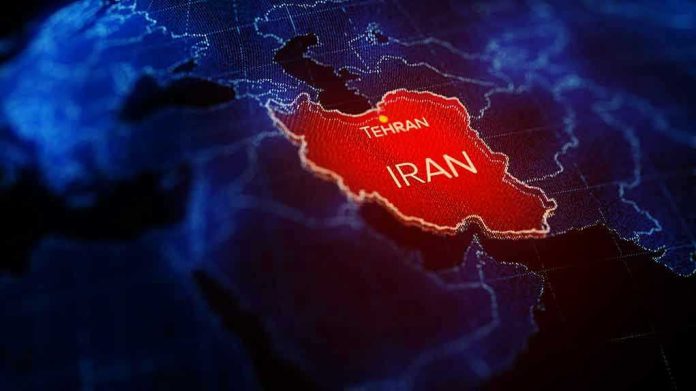
A new wave of protests in Iran threatens to reshape the nation’s political landscape, drawing emotional responses from Iranian-Americans and capturing President Trump’s attention.
Story Overview
- Iranian-Americans express deep sorrow over the regime’s violent crackdown.
- Over 2,000 deaths reported in just 48 hours, causing international outrage.
- Reza Pahlavi calls for U.S. support, urging President Trump to intervene.
- Protests mark the most extensive uprising since the 1979 Revolution.
Iranian Protests Escalate Amidst Brutal Crackdowns
Starting on December 28, 2025, a small vendor strike over soaring prices in Tehran quickly transformed into a nationwide protest against the Iranian regime. By January 10, 2026, the situation had escalated dramatically, with over 2,000 deaths reported within a mere 48-hour timeframe. This unprecedented level of violence has drawn significant attention from international observers and has been described as the largest protest movement since the 1979 Iranian Revolution.
Amidst these developments, Iranian-Americans have openly expressed their heartbreak and frustration regarding the news of the crackdown. Many in the diaspora have voiced their hopes for U.S. intervention, as they watch their homeland suffer under what they perceive as an oppressive regime. The internet blackouts and mass arrests further exacerbate their fears, as these tactics prevent accurate reporting and hinder communication with family members still in Iran.
Calls for U.S. Support and Intervention
Reza Pahlavi, the exiled Crown Prince of Iran, has emerged as a leading voice in the protests, calling for a referendum and seeking support from the United States. His appeals to President Trump highlight a potential shift in U.S. foreign policy under the new administration. President Trump’s response to these calls could significantly influence the trajectory of the protests and the future of U.S.-Iran relations.
While the Iranian government accuses foreign powers, including the U.S. and Israel, of orchestrating the protests, Pahlavi’s calls for peaceful transition and democratic reform resonate with many Iranians and Iranian-Americans alike. The ongoing protests have galvanized support across various ethnic groups within Iran, further challenging the regime’s narrative and demonstrating the widespread desire for change.
Potential Impact and Future Outlook
The protests have highlighted significant economic and social challenges within Iran, with inflation and clerical rule fatigue serving as key drivers of dissent. As the unrest continues, the potential for long-term regime destabilization grows. Should the protests maintain their momentum, they could lead to a secular transition, reshaping Iran’s political landscape.
In the short term, the regime’s crackdown has resulted in over 2,311 arrests, including minors and students. This heavy-handed response has sparked international condemnation and heightened the risk of further violence. The diaspora’s calls for U.S. intervention add another layer of complexity, as President Trump weighs the potential geopolitical consequences of involvement.
Sources:
2025–2026 Iranian Protests – Wikipedia
History of Protests in Iran: Timeline
Iran News in Brief – January 11, 2026