

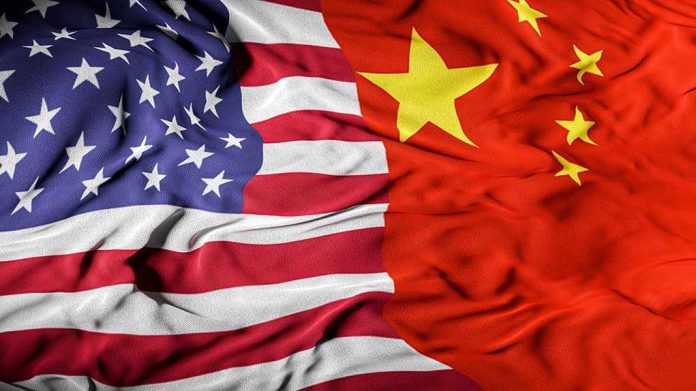
China’s latest mineral export restrictions threaten to cripple American manufacturing, exposing the dangers of relying on adversaries for our nation’s economic security.
Story Snapshot
- China’s export bans on critical minerals in 2024–2025 exposed major U.S. supply chain vulnerabilities.
- American industry and defense sectors face ongoing disruptions and rising costs due to foreign dependence.
- Diplomatic talks in late 2025 led to only temporary relief, leaving long-term risks unresolved.
- Experts urge urgent investment in U.S. mineral production to safeguard jobs, security, and constitutional values.
China’s Mineral Leverage Exposes U.S. Vulnerabilities
In 2025, the United States was jolted awake by China’s aggressive export restrictions on critical minerals like rare earth elements, tungsten, and germanium—materials that are essential for everything from smartphones and electric vehicles to advanced weapons systems.
The abrupt bans, launched in retaliation for U.S. technology sanctions, sent shockwaves through American manufacturing and defense industries. These disruptions made clear how dangerous it is for our country to depend on a foreign adversary—especially one openly hostile to American interests—for the raw materials that underpin our economic and national security.
China’s dominance in mineral processing has been building for decades, with Beijing controlling 80% of global tungsten production and nearly all heavy rare earth refining. U.S. import dependence means that when China shuts the spigot, American factories, defense contractors, and technology firms are left scrambling.
The Biden administration’s failure to address these vulnerabilities left the door wide open for this crisis. Now, with President Trump back in office, the priority is clear: end the reckless reliance on hostile powers and restore American self-sufficiency in critical sectors.
Escalation and Temporary Relief: A Fragile Truce
The crisis escalated quickly throughout 2025. In response to tough new U.S. tariffs and export controls on advanced technology, China expanded its mineral export bans to include gallium, antimony, tellurium, bismuth, indium, and molybdenum.
The result was immediate: American manufacturers suffered delays, cost spikes, and production bottlenecks. While preliminary negotiations led to a one-year suspension of some Chinese export restrictions in October 2025, this so-called breakthrough is a band-aid, not a cure.
The core risk—foreign control over American supply chains—remains unaddressed, and Beijing continues to use minerals as leverage in ongoing trade and technology negotiations.
Despite the easing of some restrictions, the uncertainty has not disappeared. Temporary export licenses have allowed certain U.S. firms to resume production, but the threat of renewed bans hangs over the market.
Manufacturers are forced to stockpile, driving up prices and fueling instability across sectors like electronics, automotive, aerospace, renewable energy, and defense. These disruptions show how economic security and national security go hand in hand—and how years of globalist policies left America exposed to foreign blackmail.
The High Cost of Globalism: Lessons for American Policy
This “materials race” underscores a painful truth: decades of outsourcing and globalist trade deals have hollowed out America’s industrial base and surrendered leverage to hostile regimes. The Biden era’s negligent approach to supply chain security made it easy for China to weaponize its mineral dominance, threatening American jobs, innovation, and even the ability to defend our nation.
The Trump administration is now working to reverse these failures, with new investments in domestic mining, processing, and allied partnerships. But rebuilding what was lost will take time, resources, and a renewed commitment to putting America first in all economic and national security decisions.
Experts warn that diversification and resilience will not happen overnight. It will require sustained policy support, creative partnerships with allies, and a willingness to confront those who attack American sovereignty and constitutional values.
The lesson is clear: the United States must never again allow itself to be held hostage by foreign powers, whether through minerals, technology, or any other critical supply chain.
The fight to win the future begins with securing the resources that power our economy, our military, and our way of life.
The Road Ahead: Restoring American Strength
American policymakers, manufacturers, and workers now face a choice: double down on failed globalist approaches or reclaim control over the materials that form the backbone of our economy and security.
The recent diplomatic “breakthrough” with China is only a temporary reprieve. Real victory means investing in American industry, defending constitutional values, and ensuring that no hostile regime can ever again threaten our prosperity or freedom through economic blackmail.
The path forward is clear—America must lead, not follow, in the race for the resources that define the twenty-first century.
Sources:
China-US rare earth diplomatic breakthrough 2025
China’s Raw Material Export Restrictions: A Critical Challenge for US Importers in 2025
Trump-Xi Meeting Outcomes and Implications
US-China trade deal pauses rare earth controls, trims tariffs in critical minerals markets
Trump’s US-China trade tariffs timeline
Here’s the timeline: Trump’s trade war with China, 2025
Congressional Research Service: Critical Minerals and U.S. Supply Chain Security