
In a historic turn of events, U.S. military intervention has led to the capture of Venezuelan President Nicolás Maduro, marking a significant victory for democracy advocates.
Story Highlights
- U.S. military captures Nicolás Maduro, facilitating potential democratic transition in Venezuela.
- Opposition leader María Corina Machado celebrates the intervention, urging national reconstruction.
- President Trump threatens further action to ensure stability and protect U.S. interests in the region.
- Machado’s Nobel Peace Prize status elevates her influence amid the political shift.
U.S. Military Intervention and Its Immediate Impact
On January 3, 2026, the U.S. military conducted a strategic operation involving 150 aircraft to capture Venezuelan President Nicolás Maduro and his wife, Cilia Flores. This unprecedented move, executed in Caracas, resulted in the couple being transported to New York for trial on narcotrafficking and weapons charges. This operation signifies the first direct military extraction of a sitting Latin American leader, highlighting the U.S.’s decisive stance under President Trump’s administration to address threats in the region.
Following the military operation, Venezuelan opposition leader María Corina Machado issued a statement celebrating this intervention as a pivotal moment for Venezuela. She emphasized the need for national reconstruction and urged Venezuelans to prepare for a democratic transition under Edmundo González Urrutia, whom the opposition recognizes as the legitimate president after the disputed 2024 elections. Machado’s call for immediate action reflects her commitment to ending the authoritarian regime and restoring democratic principles.
President Trump’s Strategic Response
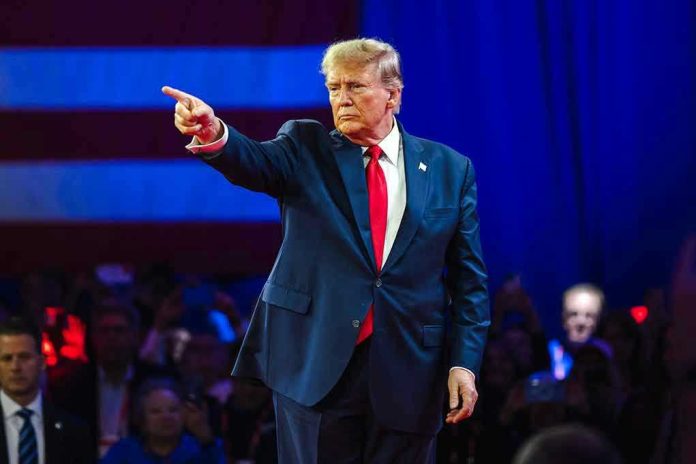
During a press conference held on the same day, President Trump reinforced his administration’s commitment to ensuring stability in Venezuela. He warned of a “second wave” of actions if resistance persists, indicating the U.S.’s readiness to safeguard its interests and support a peaceful transition. Trump’s cautious approach highlights the complex dynamics of backing opposition leaders while managing geopolitical interests, particularly concerning Venezuela’s vast oil reserves.
Despite the capture of Maduro, the situation in Venezuela remains tenuous. While opposition forces feel emboldened, the military’s allegiance is yet to shift decisively. President Trump has expressed a need to analyze Machado’s leadership capabilities thoroughly before extending full support, reflecting the administration’s pragmatic approach to foreign interventions.
Potential Implications for Venezuela and the Region
The capture of Maduro could lead to significant short-term disruptions in Caracas, with potential chaos as power dynamics shift. The U.S. aims to stabilize the oil industry and support a transition to democracy, but the risk of counterattacks from chavismo loyalists remains. In the long term, this event could realign U.S.-Venezuelan relations, fostering a democratic reconstruction that encourages the return of the Venezuelan diaspora and revitalizes the nation’s political landscape.
As the situation develops, the global community watches closely, anticipating the broader effects of this intervention. The U.S.’s decisive action sets a precedent for potential future interventions in Latin America, raising questions about the legality and long-term impact on regional stability.
Sources:
eldiario.es: Opositora María Corina Machado celebra intervención militar de EE.UU. en Venezuela
El País: Última hora de las explosiones en Venezuela en directo
Euronews: María Corina Machado: Llegó la hora de la libertad tras la caída de Maduro
El Mundo: Venezuela: la caída de Maduro y el futuro del país