

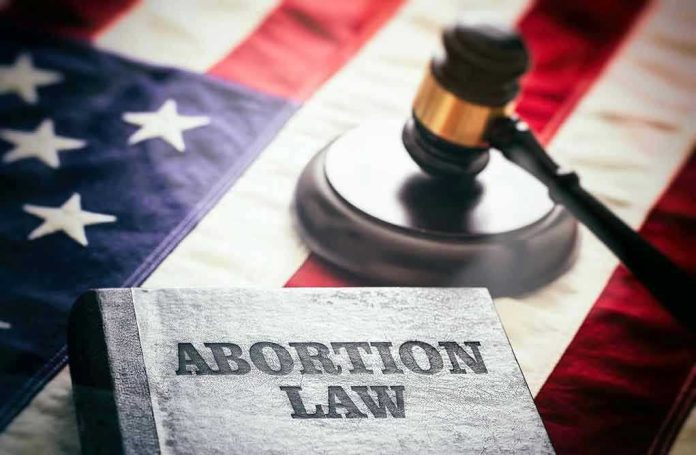
An alarming increase in global abortion rates challenges the intrinsic value of life, sparking a heated debate on moral and legal grounds.
Story Overview
- Global abortion rates have reached approximately 73 million annually, raising ethical concerns.
- Pro-life groups argue that abortion undermines the sacred “gift of life.”
- The WHO frames abortion as a public-health issue, conflicting with pro-life values.
- Post-Dobbs, U.S. states show a varied landscape of abortion laws and access.
Rising Global Abortion Rates
The World Health Organization estimates that around 73 million abortions occur globally each year, positioning abortion as a leading cause of death when counted as such. This staggering statistic is more than annual deaths from cancer or smoking-related illnesses. Pro-life advocates argue that these numbers reflect a growing disregard for the sanctity of life, framing abortion as a violation of inalienable human rights.
According to the WHO, about 61% of unintended pregnancies end in abortion, highlighting a significant reliance on the procedure as a form of birth control. This trend is alarmingly high in regions where access to contraception and education might be limited, further fueling the debate on the moral implications of such practices.
U.S. Abortion Trends Post-Dobbs
Since the Dobbs v. Jackson Women’s Health Organization decision in 2022, the U.S. has seen a patchwork of state-level laws, with some enforcing strict bans and others expanding access. Data indicates a slight increase in total U.S. abortions post-Dobbs, primarily due to states that support access and the rise of telehealth services for medication abortions. This complex legal landscape continues to reflect deep societal divisions.
The debate on abortion remains a pivotal issue in American politics, influencing everything from judicial appointments to election outcomes. The varying legal standards across states underscore the tension between federal and state authority regarding reproductive rights.
Implications for Society and Culture
Pro-life groups emphasize that abortion undermines the gift of life, eroding societal and moral protections for vulnerable human beings. They argue that every abortion represents the intentional ending of a unique life, raising ethical concerns about cultural attitudes towards disposability and human dignity.
Conversely, pro-choice advocates argue that access to abortion is essential for women’s autonomy and equality, enabling them to make choices about their bodies and futures. This ongoing debate highlights the broader cultural and ethical challenges of balancing individual rights with collective moral values.
Sources:
WHO Estimates About 73 Million Abortions Occur Globally Each Year
Abortion Trends Before and After Dobbs
Abortion Was the Leading Cause of Death Worldwide in 2024