

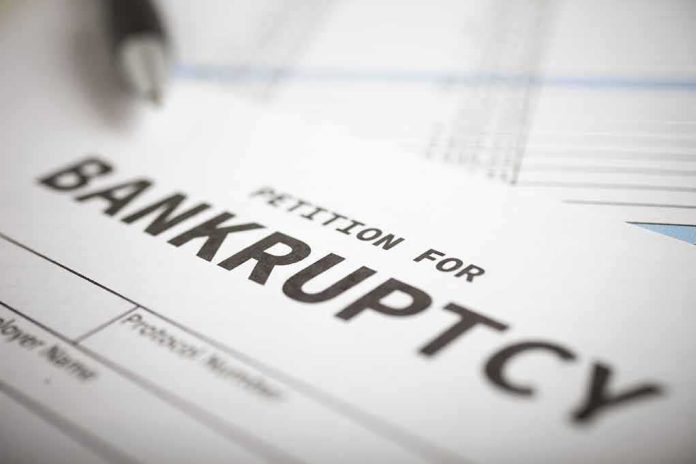
A bankruptcy-court announcement confirmed LIV Golf will shut down and liquidate after a failed $300 million rescue deal collapsed.
Story Snapshot
- LIV told a New Jersey bankruptcy court it will wind down and sell assets.
- A planned relaunch backed by BC Partners Credit fell apart; the deal is off.
- LIV’s restructuring agreement was terminated, ending hopes for “LIV 2.0”.
- Reports tie the collapse to funding shortfalls and thin player interest.
What The Court Heard And What It Means
On November 5, a LIV Golf attorney told a New Jersey bankruptcy judge the league would stop pursuing a relaunch and move to liquidation. That shift ends plans for “LIV 2.0” and starts a wind down of operations with asset sales to follow. Reports from the hearing said the company will sell what it can and close the tour. This is not a pause between seasons. It is a court-directed end to the league’s run.
LIV’s own public update the same day matched the court message. The league said its restructuring support agreement with BC Partners Credit was terminated after the sides could not settle open terms. LIV stated the proposed recapitalization “is not expected to move forward at this time,” and called an orderly wind down the most responsible path. The announcement confirmed that a rescue was off and that operations would be wrapped up under court supervision.
How The Financing Fell Apart
Media reports tied the failed relaunch to a planned financing package of up to $300 million from BC Partners Credit. Those funds were meant to bridge the league to a new model with fewer teams and lower costs. When BC Partners Credit pulled back, the plan collapsed. Without that money, and without enough firm player commitments, attorneys told the court there was no viable way to continue, so liquidation would begin.
Some outlets added context about weak uptake among players for the new format. Reports described interest that fell short of what was needed to make “LIV 2.0” work at scale. That mattered because broadcast value, sponsors, and ticket sales depend on star power. With financing gone and roster strength in doubt, the business case broke. The court process now turns to selling trademarks, media rights, equipment, and other assets where possible.
Why This Collapse Fits A Larger Pattern
This outcome mirrors how other challenger sports leagues have ended when funding dried up before steady revenue arrived. A review of past sports bankruptcies shows a common pattern: big launch costs, slower fan and sponsor growth than hoped, then a forced sale or liquidation once bridge capital falls through. The legal focus now shifts to creditor recovery and court approvals rather than brand promises or press statements about future seasons.
That history also shows a shutdown does not always erase everything a league built. Sometimes buyers pick up pieces like team names, schedules, or media rights and try again under new ownership. Attorneys and the judge will decide what to sell, what contracts to reject, and which assets hold value in another owner’s hands. For fans and players, the key fact remains: the existing LIV tour will not return in its current form.
What It Signals For Fans, Players, And Power
For fans, this ends a five-year fight that split the sport and confused schedules. For players, contracts will run through bankruptcy rules, which can cancel or assign deals. For the broader sports world, this is a warning about relying on one main backer without a strong cash flow engine. When easy money ends, hype cannot carry a league. Courts and creditors take over, and the market decides what parts, if any, are worth saving.
The rebel LIV Golf tour will shut down after five years that rocked the global game, saying Thursday that an effort to relaunch after losing its original Saudi backers has been scrapped.
Read on https://t.co/8jnDuCbYts#LIVGolf #Shutdown #Saudi pic.twitter.com/ciWgoal7vD— IOL Sport (@IOLsport) November 5, 2026
For many Americans, the story hits a nerve. People see big promises, huge spending, and then a rapid retreat when numbers fail to work. They see insiders and lawyers make the final calls while workers, vendors, and fans wait. This is not red or blue. It is about power and accountability. A court record now sets the path, and plain math decides the outcome. The noise will fade, but the ledger will not.
Sources:
nytimes.com, livgolf.com, espn.com, bismarcktribune.com, golfdigest.com