
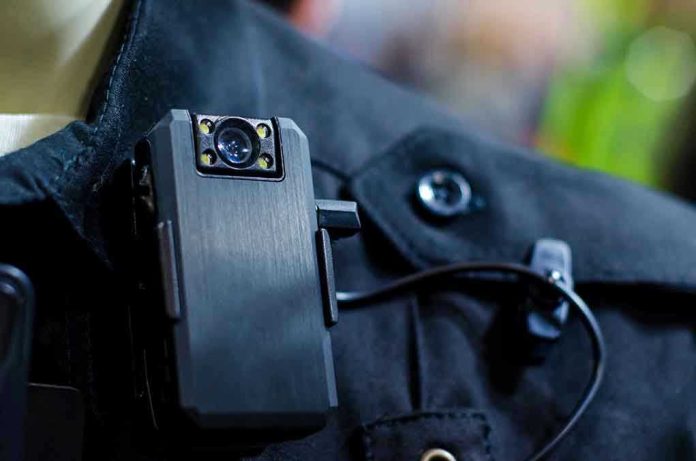
Democrats demanded ICE body cameras as “guardrails” for funding—then abruptly tried to rein them in once activists warned the footage could undermine the protest narrative.
Quick Take
- Schumer and Jeffries pushed ICE body cameras in a DHS funding standoff, then shifted to limiting how footage can be used.
- DHS Secretary Kristi Noem announced body cameras for federal agents in Minneapolis on Feb. 3, with a broader rollout tied to funding.
- The House advanced DHS funding that includes $20 million for ICE body cameras, even as some Democrats pivoted to surveillance concerns.
- Privacy advocates warned cameras could feed facial recognition and tracking, while DHS has denied using facial recognition on the cameras.
Democrats’ body-cam demand collides with activist surveillance fears
Chuck Schumer and Hakeem Jeffries made body cameras for ICE agents a centerpiece of their “guardrails” during a looming DHS funding deadline, arguing cameras would increase accountability after high-profile incidents involving federal immigration enforcement. Within days, the posture changed as left-leaning privacy groups and immigrant-advocacy organizations raised alarms that expanded camera use could widen federal monitoring of protesters, especially if footage is combined with other identification tools.
Check Out the Hilarious Whiplash As Dems Flip-Flop on Bodycams When They Realize There's a Problem https://t.co/c3wFzC5U5u
— Eliza (@Elizaluvswinter) February 9, 2026
The reversal did not erase bipartisan momentum for cameras. House action on homeland security funding included $20 million specifically for ICE body cameras, a notable sum in a broader budget fight shaped by public anger, political pressure, and competing claims about what cameras would reveal. The dispute is less about whether cameras exist than about who controls access, retention, and downstream uses of the resulting video in contentious enforcement encounters.
Minneapolis shootings fueled the political scramble over federal accountability
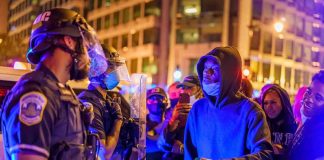
January’s Minneapolis flashpoint drove much of the urgency. Renee Nicole Good, described as a legal observer, was fatally shot on Jan. 7 during an ICE operation, and another shooting by Border Patrol on Jan. 24 intensified protests and calls for changes to how immigration agents operate in public-facing enforcement. Lawmakers cited the need for clear standards—such as body cameras and visible identification—while tensions escalated around demonstrations and federal responses.
DHS Secretary Kristi Noem announced on Feb. 3 that federal agents in Minneapolis would be required to use body cameras, framing the policy as a practical step amid unrest and scrutiny. The administration’s approach aligned with President Trump’s stated view that cameras can protect law enforcement from false allegations while creating a cleaner evidentiary record when force is used. The nationwide rollout, however, remains tied to funding and procurement capacity.
Funding, contractors, and oversight: the less-discussed mechanics behind the headlines
The body-camera push also carries a contracting dimension. ICE previously pursued camera capability through funding-dependent policies and vendor relationships, including work involving Axon, a major body-camera and weapons company that has actively lobbied around law-enforcement technology. Critics from the left have argued the debate is being shaped by contractor interests as much as oversight needs, while supporters emphasize standardized recording as a commonsense transparency tool for agents operating under intense public accusation.
Research on body-camera effectiveness remains mixed, with reviews finding no universal behavior-change effect but possible benefits under specific policies and conditions. That nuance matters because the current fight is not simply “cameras or no cameras.” It is about rules for activation, retention, public release, and whether footage can be restricted in ways that reduce transparency. For constitutional conservatives, the key question is whether oversight mechanisms are designed to illuminate truth—or selectively manage narratives.
The new Democratic proposal: limits on footage use, not an end to cameras
After initially demanding cameras, Democrats moved toward limiting how recordings could be used, pointing to fears of mass surveillance and the possibility that video could be mined with facial recognition or other identification methods. DHS has disputed claims that cameras themselves will be used for facial recognition, yet advocates remain concerned about footage being uploaded, cross-referenced, or stored in ways that could expose political protesters and bystanders to government tracking beyond the original law-enforcement purpose.
Republicans, for their part, have treated body cameras as a straightforward accountability measure that can also protect agents doing lawful work—especially amid volatile protests and viral clips that may omit context. The unresolved policy fault line is whether Congress will fund cameras while simultaneously imposing strict limitations that reduce their usefulness in investigations, discipline, and public transparency. With DHS funding battles now a recurring feature of Washington, the body-cam fight looks poised to return in the next round of appropriations.
Sources:
Democrats Flip-Flop On ICE Agents And Body Cameras
Democrats, ICE Reform, Body Cameras
Senate Dems demand immigration agents unmask, wear body cameras and carry IDs as shutdown looms
DHS Secretary Noem stands by body camera requirement for federal agents following Trump comments
House GOP offer to Dems: explicit funding for ICE body cameras following Minneapolis shooting