
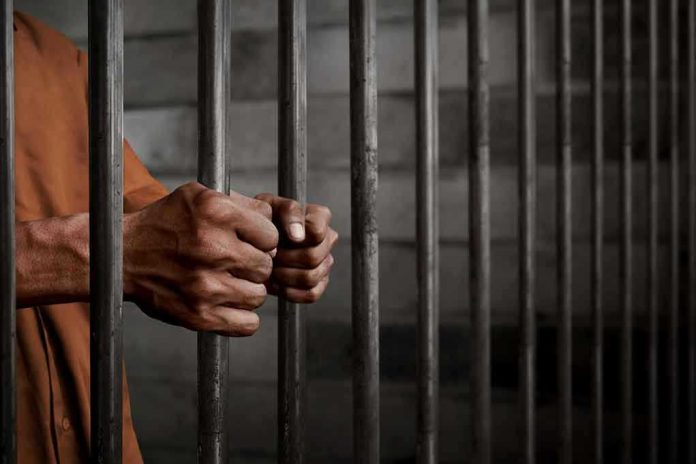
After years of watching Washington juggle sanctions and “humanitarian” gestures, Cuba’s sudden move to pardon over 2,000 prisoners lands right in the middle of a hard-nosed U.S. pressure campaign under Trump’s second-term White House.
Quick Take
- Cuba announced on April 2, 2026, it will pardon 2,010 prisoners, describing the move as a humanitarian gesture tied to Easter and Holy Week.
- The pardon categories reportedly prioritize young people, women, inmates over 60, foreigners, and Cubans abroad, with eligibility tied to conduct, health, and time served.
- Cuba said it is excluding serious offenses, including murder, sexual assault, drug crimes, theft, illegal livestock slaughter, and crimes against authorities.
- The timing follows heightened U.S. pressure for releases—especially political prisoners—and a recent U.S. move allowing a Russian tanker to deliver oil to the island.
Cuba’s Holy Week pardon: what was announced and who qualifies
Cuba’s presidency said on April 2 that 2,010 inmates will be pardoned as a humanitarian measure linked to Easter and Holy Week observances. Reporting indicates the release list is built around specific categories—young people, women, prisoners older than 60, foreigners, and Cuban citizens living abroad—while also considering good conduct, the amount of sentence already served, and health considerations. Cuban authorities did not publish names or case details.
The government framed the action as part of a “humanitarian” tradition, but the practical details matter more than the slogan. The reporting describes the pardon as an early-release mechanism expected to roll out over the coming months, with some accounts indicating a 6-to-12-month time horizon for those eligible. Families will understandably celebrate, but the absence of names and the lack of clarity on how eligibility is verified limits outside accountability and makes independent confirmation difficult.
What Cuba says it is excluding—and why that detail matters
Cuban officials highlighted exclusions that are designed to signal “public safety,” including those convicted of murder, sexual assault, drug crimes, theft, illegal livestock slaughter, and crimes against authorities. That last category stands out because it’s broad and political by nature in a one-party system. When “crimes against authorities” can cover protest-related conduct, the exclusions can become a tool to avoid releasing dissidents while still announcing a large number that sounds generous in international headlines.
The sources also note that Cuba has carried out multiple large-scale pardons since 2011, totaling more than 11,000 releases before this announcement. That pattern tells readers two things at once. First, these pardons are not unprecedented. Second, the government has experience using mass releases for domestic pressure relief and international optics, especially around major calendar moments like Holy Week. A recurring system can be orderly—but it can also be calibrated to political needs.
U.S. leverage, Russian oil, and the power politics behind the timing
The announcement arrives amid U.S. pressure on Havana and overlapping energy moves involving Russia. Reporting indicates President Donald Trump recently eased what was described as a de facto oil blockade, allowing a Russian tanker delivery to Cuba, and Russia then announced a second tanker shipment soon after. In practical terms, oil equals stability for the Cuban state. When energy flows resume, Havana gets breathing room—even if it also makes symbolic “humanitarian” concessions.
Cuba, for its part, reportedly did not present the pardons as a response to U.S. demands, even as U.S. pressure for releases—particularly political prisoners—has been a longstanding point in bilateral tensions. This is the standard dance in international politics: Washington squeezes, Havana denies being squeezed, and both sides test what moves the other will tolerate. What remains unclear from the available reporting is how many, if any, political prisoners are included.
What conservatives should watch: transparency, leverage, and unintended consequences
Conservative voters are used to being told that sanctions are “smart power” while everyday Americans pay higher energy costs and watch foreign regimes adapt anyway. This case highlights the tradeoff. Allowing an oil delivery may create leverage for prisoner releases, but it can also reduce pressure on a hostile government while Russia expands its footprint close to U.S. shores. The constitutional concern at home is less direct—but the policy habit of executive-branch maneuvering without transparency invites scrutiny.
Based on the research provided, key factual gaps remain: the identities of those pardoned, how “good conduct” is assessed, whether dissidents are excluded under “crimes against authorities,” and whether the U.S. received verifiable commitments in exchange for easing oil restrictions. Until those questions are answered, the headline number—2,010—should be treated as a data point, not proof of reform. For Americans tired of endless overseas games, the lesson is simple: demand verifiable results, not press releases.
Sources:
Cuba pardons 2010 prisoners amid United States pressure
Cuba pardons over 2,000 prisoners amid US pressure
Cuba pardons 2,010 people as the US pressures the island’s government